Pergola Removal in Vancouver: The Complete Guide for Vancouver Homeowners
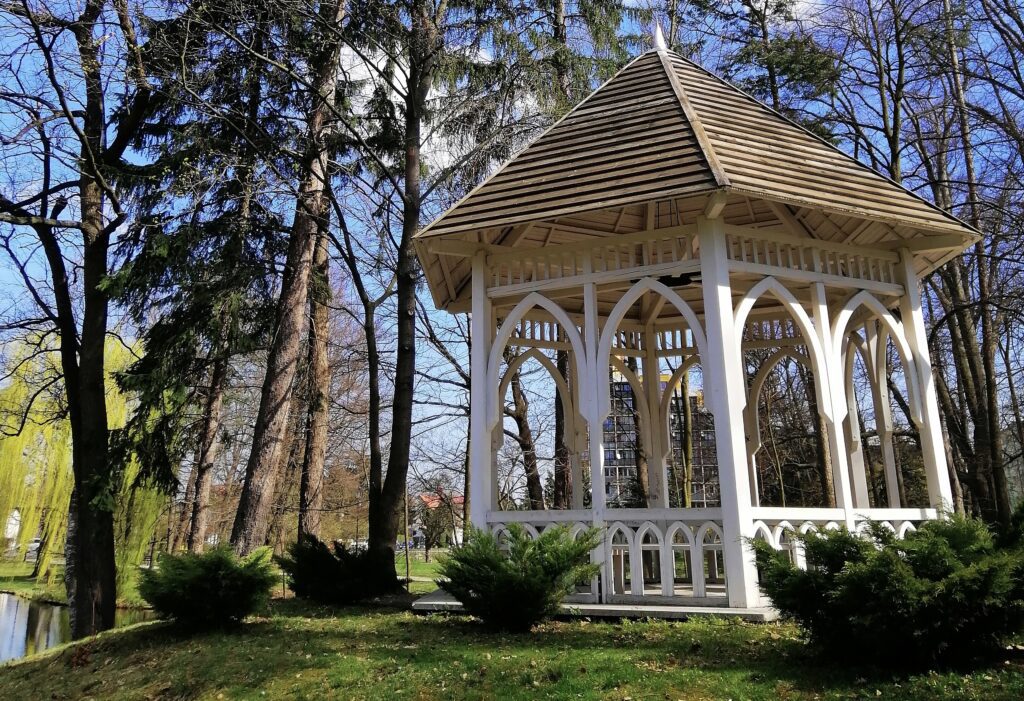
Some backyard structures age gracefully. Pergolas are not always one of them.
There is something about a well-built pergola in its prime that genuinely elevates a Vancouver backyard. The shade, the structure, the way climbing plants fill it in over a few summers. When it works, it works beautifully. But when a pergola starts to go, it tends to go in ways that are hard to ignore. The posts lean. The beams crack along the grain. The wood goes grey and then soft and then spongy in the places where Vancouver rain collects and sits. The climbing plants that once looked intentional start to look like they are holding the whole thing together out of habit rather than design.
At some point the conversation shifts from “we should probably do something about that” to “that thing genuinely needs to come down.”
If you are at that point right now, or getting close to it, Provident Junk Removal is here for you. We provide pergola removal service in Vancouver and nearby areas.
First Things First: What Kind of Pergola Do You Actually Have?
This question sounds basic but the answer changes almost everything about how a pergola removal job gets approached. Not all pergolas are built the same way and not all of them come down the same way either.
Freestanding pergolas are the most common type in Vancouver residential backyards. They stand on their own four or more posts set into the ground, often in concrete footings, with no structural connection to the house. From a removal standpoint, freestanding pergolas are the most straightforward because there is no attachment to the home to worry about. The structure comes apart from the top down and the posts come out last.
That said, freestanding does not automatically mean easy. A large freestanding pergola with substantial timber beams, posts set two feet deep in concrete, and a decade of weathering can be a genuinely demanding removal job. The size and construction quality of the original build affects how much work comes down.
Attached pergolas are a different situation entirely. These structures are connected directly to the house, typically with a ledger board bolted to an exterior wall. The attachment point is the critical consideration here because removing an attached pergola without damaging the exterior wall, the cladding, the flashing, or the waterproofing behind the ledger requires care and the right technique.
Vancouver’s climate makes this particularly important. An attached pergola that has been in place for years has almost certainly created a moisture interface where it meets the house. Removing the ledger board carelessly can pull away cladding, expose gaps in the building envelope, or reveal rot in the wall framing behind the attachment point that nobody knew was there. This is one of the main reasons attached pergola removal benefits from experienced hands rather than a weekend DIY attempt.
Kit pergolas and vinyl pergolas are a third category that has become increasingly common as prefabricated outdoor structures have grown in popularity. These structures are generally easier to dismantle than timber-built pergolas because they were designed to be assembled and can therefore be disassembled in reverse. However vinyl and composite materials have their own disposal challenges since they are not recyclable through standard streams and require specific handling.
Why Vancouver’s Climate Makes Pergola Removal More Complicated Than It Looks
Vancouver’s combination of high annual rainfall, mild but persistently damp winters, and regular freeze thaw cycles does specific things to outdoor timber structures over time. Understanding what those things are helps you understand why pergola removal here is not the same as pergola removal in a drier climate.
Post rot is almost always worse than it looks from the surface. Cedar and pressure treated posts in ground contact absorb moisture over years of Vancouver winters. The exterior of the post can look acceptable while the interior has lost significant structural integrity. This matters for removal because a post that looks solid enough to push or lever against can fail unexpectedly during the removal process.
Concrete footings vary enormously. Some Vancouver pergolas were installed by professional contractors with properly sized concrete footings. Others were put in by previous homeowners on a weekend with whatever concrete was on hand. The difference between a well poured footing and an improvised one affects how much effort comes out of getting the post out and what the ground looks like afterwards. Leaving concrete footings in the ground after removal is sometimes done but it creates problems for whoever installs the next structure or landscaping in that area.
Fasteners corrode and seize. The bolts, screws, and hardware holding a pergola together have been through years of wet Vancouver weather. Corroded fasteners do not come out the way new ones do. This is one of the reasons pergola dismantling in Vancouver takes longer than people expect when they look at the structure and try to estimate the job themselves.
Attached structures can reveal hidden problems. When an attached pergola comes down, what’s behind it sometimes reveals moisture damage, rot, or gaps in the building envelope that the structure was inadvertently concealing. It’s worth being mentally prepared for the possibility that taking down an attached pergola occasionally reveals a repair job that needs to happen before the wall is left exposed.
Wood vs Metal Pergolas: How the Material Affects the Removal
The material your pergola is made from affects how it comes apart and what happens to the debris after removal.
Timber pergolas are by far the most common in Vancouver and the most variable in terms of condition. Cedar is the typical choice for Vancouver outdoor structures because of its natural resistance to rot, but even cedar has a lifespan and a pergola that has been in place for fifteen or twenty years in a backyard is almost always showing significant weathering at minimum and often active rot in the posts and lower sections of the beams.
Timber removal generates wood waste that can be recycled through wood waste streams when it is not contaminated with paint, preservatives beyond standard pressure treatment, or significant mold. Rotting wood requires more careful handling because it can harbour mold spores that become airborne during demolition if the work is not done carefully.
Metal pergolas, typically aluminum or steel, are increasingly common in newer Vancouver homes and renovations. Metal pergolas are generally more durable than timber in Vancouver’s climate but they come with their own removal considerations. Steel structures are heavier than they look and require appropriate equipment and technique to bring down safely. Aluminum structures are lighter but the sections can be awkward to handle because of their size.
The positive side of metal pergola removal is the disposal story. Metal is one of the most efficiently recyclable materials in the waste stream. Steel and aluminum from a pergola removal go directly to metal recycling rather than landfill, which is a genuinely clean outcome for the material.
Vinyl and composite pergolas are the newest category and the one with the least straightforward disposal pathway. Vinyl cannot go into standard recycling and composite materials are similarly difficult to divert from landfill.
The Attached Pergola Removal Process: What to Know Before You Start
If your pergola is attached to your home, there are a few specific things worth thinking through before the removal begins.
Check what is behind the ledger board. The ledger board connects your pergola to the house and it is bolted through the exterior cladding into the framing. Before that ledger comes off, it is worth understanding what type of cladding your home has, whether the flashing behind the ledger is in good condition, and whether there is any visible sign of moisture damage around the attachment point. This is not about creating reasons to delay the removal. It is about knowing what you are working with so there are no surprises.
Plan for the wall repair. When an attached pergola comes down, the wall where the ledger was attached will need attention. At minimum, the bolt holes need to be properly sealed. Depending on the cladding type and the condition of what is revealed, there may be more repair work involved. It is worth having a clear plan for that repair work before the removal happens rather than figuring it out afterwards with a section of exterior wall exposed.
Protect the surrounding area. Attached pergola near the house means working in close proximity to windows, doors, exterior lighting, and other features that can be damaged if material is not controlled carefully during the dismantling process.
What Happens to Your Old Pergola After It Leaves Your Property
This is a question worth asking any pergola removal service in Vancouver before you book because the answer varies significantly between companies.
At Provident Junk Removal, pergola debris gets sorted after removal. Timber goes through wood waste processing streams where possible. Metal components, brackets, bolts, structural hardware, and any metal framing get separated for metal recycling. Vinyl and composite materials get handled through appropriate disposal channels. Concrete from footings goes to concrete recycling facilities where it gets processed into aggregate for construction applications.
The goal on every pergola removal job we do is to keep as much material as possible out of general landfill. Vancouver has ambitious waste diversion targets as a region and how removal companies handle debris on individual jobs is part of how those targets get met or missed. We take that seriously on every job and it shows in how we sort what we collect.
How to Prepare for Your Pergola Removal Day
A little preparation before the our team arrives makes the job go faster and smoother for everyone.
Clear the area around the pergola. Remove outdoor furniture, planters, lighting, decorative items, and anything else stored under or around the pergola before the crew arrives. The more clear the working area is when the crew gets there, the faster they can get started and the less risk there is of something getting accidentally damaged during the removal.
Deal with climbing plants in advance. If your pergola has climbing plants growing through or over it, cutting them back or removing them before the removal day makes the dismantling significantly cleaner and faster. Plants woven through a pergola structure slow down dismantling and create extra debris. Removing them beforehand or at minimum cutting them away from the structure itself is worth doing the day before.
Check for electrical. Some Vancouver pergolas have outdoor lighting, ceiling fans, or power outlets integrated into the structure. If yours does, make sure the power is disconnected before the crew arrives and ideally have an electrician handle the disconnection rather than leaving it to the day of removal.
Let your neighbours know. Pergola removal is noisy work. It involves power tools, impact drivers, and the general sound of a structure being taken apart. A quick heads-up to immediate neighbours before the day is a courtesy that costs nothing and avoids unnecessary friction.
Call Provident Junk Removal for Pergola Removal in Metro Vancouver
A pergola that has reached the end of its life is not just an eyesore. It is wasted space, a maintenance liability, and in the case of an attached structure, a potential building envelope risk that grows over time rather than staying the same.
Getting it removed properly, with the right crew, the right equipment, and a clear plan for disposal, turns that liability into an opportunity. A cleared backyard in Vancouver is a genuinely valuable thing. Whether you are planning a new structure, a landscaping project, more open lawn space, or simply want the back of your home to look the way it should, the removal is the first step and it does not have to be a complicated one.
At Provident Junk Removal, we handle pergola removal and dismantling across Vancouver and the entire Lower Mainland. Freestanding and attached structures, timber and metal, straightforward and complicated. We assess before we quote, we quote before we start, and we leave the site clean and clear before we leave.
Call us at +1 (672) 667 4238 or book online at providentjunk.ca for your free on-site estimate. The pergola has done its time. Let’s clear the way for what comes next.