Donating Construction Materials in Vancouver: How Construction Materials Get a Second Life
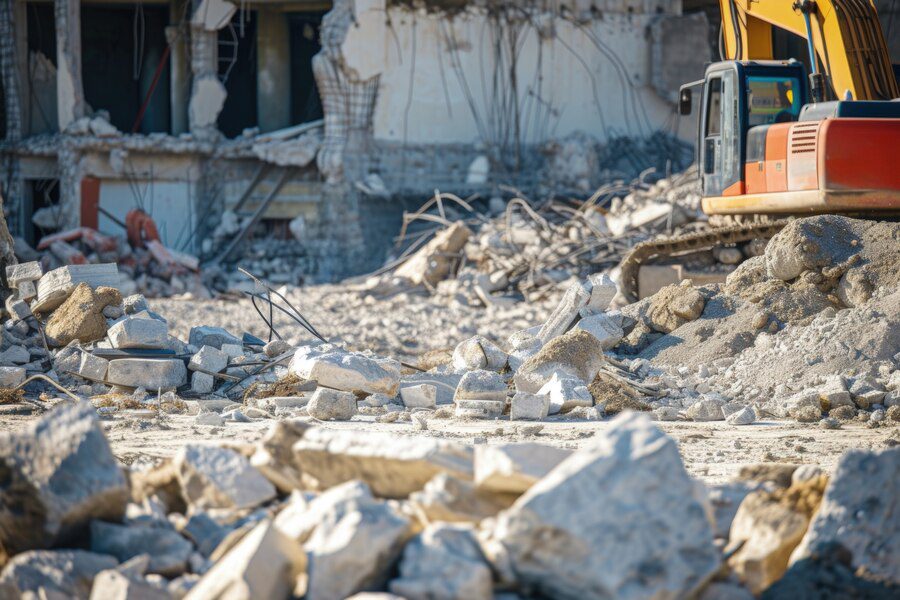
Most people think construction debris is just waste.
You finish a renovation, a demolition, or a property cleanout, and suddenly you’ve got a pile of materials sitting there. Old lumber, leftover tiles, metal fixtures, cabinets that still open and close just fine, doors that are perfectly solid, windows that aren’t broken. And the assumption for most people is that all of it goes in the same direction: a truck, a transfer station, and eventually a landfill.
But that assumption is costing Vancouver a lot of perfectly usable material every single year.
The reality is that a significant portion of what gets pulled out of renovation and demolition sites across Vancouver and the Lower Mainland can be reused, repurposed, or recycled. It doesn’t have to end up buried somewhere. It can go toward helping someone else build, fix up their home, or access materials they couldn’t otherwise afford.
That’s the idea behind responsible construction debris removal and disposal in Vancouver, and it’s something Provident Junk Removal takes genuinely seriously at every job we do.
This guide is going to walk you through what kinds of construction materials can actually be donated or recycled, why it is important for Vancouver specifically, and how the whole process works when you book a construction debris removal service that actually thinks about where things end up.
Why Construction Waste Is a Bigger Problem Than Most People Realize
Before we get into what can be saved, it helps to understand the scale of what gets thrown away.
Construction and demolition waste is one of the largest categories of solid waste generated in British Columbia. We’re talking about millions of tonnes of material every year across the province, and a substantial chunk of that comes from Metro Vancouver where renovations, teardowns, and new builds happen constantly.
The frustrating part is that a lot of this material isn’t actually waste in any meaningful sense. It’s usable stuff that ends up in landfills simply because no one took the time to sort it, or because the company hauling it away didn’t have a process for doing anything other than dumping everything together.
Landfill space in the Lower Mainland is finite and increasingly expensive to use. Metro Vancouver has been pushing hard toward waste diversion targets for years, and construction debris is one of the categories where there’s the most room for improvement. When usable materials get diverted from landfills and put back into circulation, it reduces pressure on disposal infrastructure, lowers environmental impact, and puts resources into the hands of people who can actually use them.
The good news is that diverting construction materials from the landfill is genuinely possible on most jobs. It just requires someone who knows what to look for and has the connections to make it happen.
What Construction Materials Can Actually Be Donated or Recycled
This is where a lot of people are surprised. The list is longer than you’d think.
Lumber and dimensional wood. Solid wood framing, beams, and boards that are structurally sound and free from significant rot or pest damage can absolutely find a second life. Reclaimed wood is actually in high demand for everything from furniture making to accent walls to smaller construction projects. Not every piece makes the cut, but a lot of it does.
Doors and windows. Interior and exterior doors in decent condition, window frames, and even sliding door units are among the most commonly donated construction materials. These are items that cost real money new, and a solid door that comes out of a renovation intact has genuine value to someone doing a budget renovation or repair somewhere else.
Cabinets and shelving. Kitchen cabinets, bathroom vanities, and built-in shelving units that are being replaced rather than destroyed are often perfectly functional. They get pulled out because a homeowner wants a new look, not because the cabinets themselves are done. These are highly sought after for secondary suites, garage workshops, and lower-budget renovations.
Flooring materials. Hardwood flooring, ceramic tiles, and certain types of laminate that come up in good condition during a renovation can be reused. Hardwood flooring in particular has real value as reclaimed material and there’s a healthy market for it in Vancouver.
Fixtures and hardware. Light fixtures, door handles, hinges, faucets, sinks, and even bathtubs and toilets in working condition are all worth sorting out rather than sending to landfill. These items are in consistent demand for repair jobs, lower-budget renovations, and property maintenance work.
Metal components. Steel framing, copper piping, aluminum, and other metals that come out of demolition jobs have strong recycling value. Metal recycling is one of the most efficient material streams there is, and it keeps a high-value resource in circulation rather than sitting in a landfill.
Concrete and masonry. This one surprises people. Broken concrete, bricks, and masonry materials can be crushed and recycled into aggregate that gets used in road base, fill material, and new construction applications. It doesn’t get donated in the traditional sense but it absolutely gets diverted from landfill through proper processing.
Insulation. Certain types of insulation that come out of demolition jobs in good condition can be reused. This is more situation-dependent than some of the other categories but it’s worth assessing on a job by job basis.
How the Sorting Process Actually Works During a Construction Debris Removal in Vancouver
Here’s the thing about donating and recycling construction materials. It doesn’t happen automatically. It requires someone on the job who knows what they’re looking at, takes the time to sort rather than just pile everything together, and has the right connections to get materials where they need to go.
When Provident Junk Removal shows up to a construction debris removal job in Vancouver, we’re not just loading everything onto a truck and heading to the nearest transfer station. We’re assessing what’s in front of us.
What can be donated gets separated out. We work with organizations in Vancouver and across the Lower Mainland that accept usable building materials and get them into the hands of people who need them. We want to make sure we’re always directing materials to the right place based on what they’re currently accepting. But the connections are real and the materials we pull out genuinely end up being used.
What can be recycled goes through the appropriate stream. Metals go to recycling. Concrete and masonry go to crushing facilities. Wood that doesn’t qualify for donation gets processed through wood waste streams rather than general landfill where possible.
What genuinely can’t be diverted gets disposed of properly and responsibly. Not everything makes it into a second-use stream and we’re not going to pretend otherwise. But the goal on every job is to minimize what actually ends up as waste.
This whole sorting process takes more effort than just throwing everything together. That’s kind of the point. It’s the difference between a debris disposal service in Vancouver that actually cares about where things end up and one that’s just moving material from one place to another as fast as possible.
Construction Debris Removal in Vancouver: Who Is This Service Really For?
Donating construction materials in Vancouver isn’t just for big commercial demolition companies. This is relevant for a much wider range of people than most realize.
Homeowners doing renovations. If you’re redoing your kitchen, bathroom, or basement, there’s a good chance you’re pulling out materials that someone else could use. Booking a construction debris removal service that actively sorts and diverts those materials means your renovation has a smaller footprint.
Property managers and landlords. Turnover renovations between tenants often generate a surprising amount of usable material. Cabinets, fixtures, flooring, and appliances that are being upgraded rather than replaced because they’re broken are all candidates for donation.
Contractors and builders. If you’re managing a demolition or renovation project and you want to offer your clients a more responsible disposal option, working with a debris removal service that prioritizes diversion is a straightforward way to do that.
Estate cleanouts involving renovation debris. When a property is being cleared and renovated after an estate settlement, there’s often a mix of personal belongings and construction materials. Having one service that can handle both responsibly makes the whole process cleaner.
Developers doing partial demolitions. Interior strip-outs and partial demolitions of older buildings often yield significant quantities of reusable materials. Doors, windows, hardwood floors, and fixtures from older Vancouver homes can be genuinely high-quality and worth saving.
Why This Matters More in Vancouver Than Almost Anywhere Else
Vancouver is an expensive city. That’s not news to anyone reading this.
The cost of building materials has gone up significantly over the past several years, and that affects everyone from developers down to individual homeowners doing small repairs. When usable construction materials get diverted from landfills and made available for reuse, it helps keep those materials accessible to people working with tighter budgets.
There’s also the environmental dimension. Vancouver and the surrounding region have some of the most ambitious waste diversion goals in Canada, and construction debris is one of the biggest opportunities to move the needle on those targets. Every door that gets donated instead of landfilled, every batch of reclaimed lumber that goes toward a new project, every tonne of concrete that gets crushed into aggregate rather than buried, it all adds up.
And honestly, for most homeowners and contractors, the choice to go with a construction debris removal service that prioritizes donation and recycling doesn’t cost more or take longer. It just requires picking the right company in the first place.
What You Should Ask Before Booking a Construction Debris Removal Service in Vancouver
Not every company that hauls construction debris actually does anything meaningful with it. Here are a few straightforward questions worth asking before you book:
Do you sort materials on site or does everything go together? A company that doesn’t sort is a company that’s not diverting anything.
Do you have relationships with organizations that accept donated building materials? Ask specifically. If the answer is vague, that tells you something.
How do you handle materials like metal, concrete, and wood separately? These require different disposal streams and a company that treats them all the same isn’t recycling properly.
What’s your landfill diversion rate on a typical construction job? You don’t need a precise number but a company that thinks about this should be able to give you a general sense.
Ready to Clear Your Construction Debris the Right Way?
If you’ve got construction debris sitting on a job site, a renovation property, or a demolition project anywhere in Vancouver or the Lower Mainland, you don’t have to just send it all to landfill.
At Provident Junk Removal, we handle construction junk removal in Vancouver with a genuine focus on what happens to materials after they leave the site. We sort, we donate what can be donated, we recycle what can be recycled, and we dispose of the rest responsibly. Every job. Not just when it’s convenient.
We serve Vancouver and the entire Lower Mainland including Surrey, Burnaby, Coquitlam, Richmond, North Vancouver, West Vancouver, Langley, Abbotsford, and beyond. Same-day and next-day availability depending on your area and the scope of the job.
Call us at +1 (672) 667 4238 to talk through your project and get a free estimate. Your construction debris can do more than just take up space. Let’s make sure it does.