School Renovation Debris Cleanout in Vancouver: A Guide for Schools
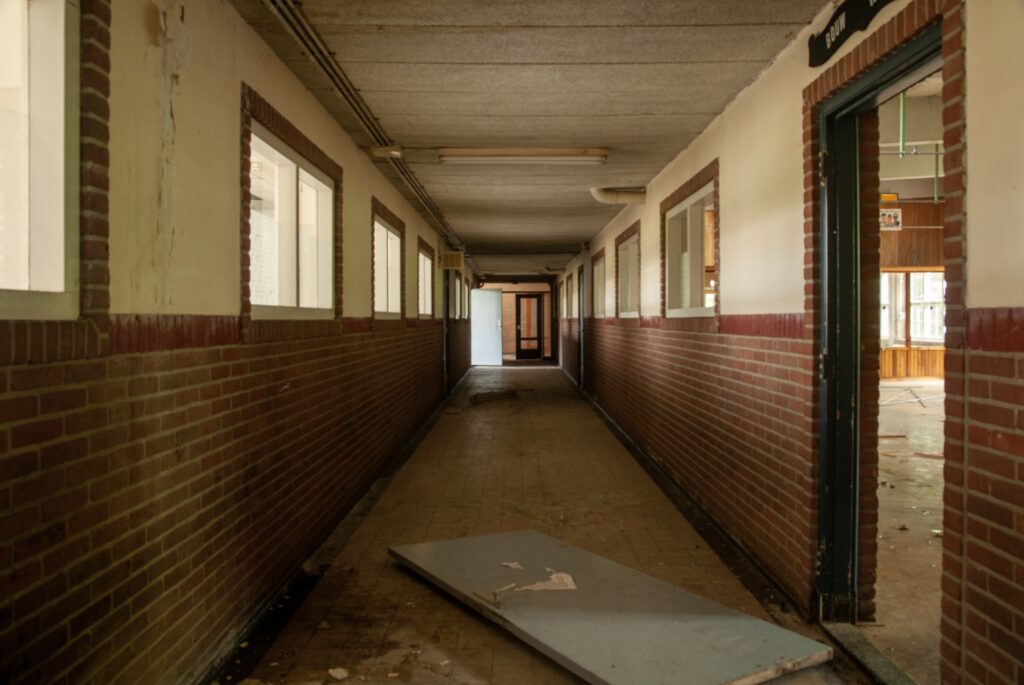
Picture this. The renovation crew finished ripping out the old gym floor two days ago, and now there’s a mountain of plywood, torn up flooring, and busted drywall sitting in the parking lot where the buses are supposed to pull in on Monday. The contractor says debris removal “isn’t really their job” once demo is done. The school board is asking when the lot will be clear. And you’re the one standing there trying to figure out who you’re even supposed to call.
If this sounds familiar, you are not the only school in Vancouver dealing with it. Renovation projects at schools rarely include a clean plan for what happens to the leftover mess, and by the time anyone thinks about it, there’s already a pile blocking a fire exit or eating up half the staff parking lot. We have hauled debris out of enough Vancouver schools to know exactly where this problem comes from and how to make it disappear without turning into a three week ordeal. Here’s what you actually need to know about clearing out renovation debris the right way, on a school’s timeline, without the usual headaches.
Why School Renovation Debris Can Quickly Become a Problem
Contractors are good at building and tearing down. Hauling away the mess afterward is usually an afterthought, or worse, something they quote separately and charge a premium for once the job is already underway. So a lot of school renovations end up with debris just sitting there, growing by the day, while the actual construction work moves ahead on schedule.
Add to that the fact that school renovations often happen in stages. Maybe it’s one wing this summer and another next year. Maybe it’s a phased flooring replacement across ten classrooms, with debris accumulating room by room instead of all at once. By the time someone notices the pile has taken over a hallway or spilled into the loading zone, it has usually been building for weeks.
There is also a scheduling reality unique to schools. Everything has to be done and gone before the first day back, and that deadline does not move no matter how far behind the renovation crew is running. That pressure is exactly why debris cleanout needs to be planned for from day one instead of scrambled together in the final week of August.
What Types of Renovation Debris Do We Remove From Vancouver Schools?
Here’s what we typically clear out:
- Torn up flooring, including old carpet, vinyl tile, and hardwood
- Broken drywall and plaster from wall removals or repairs
- Ceiling tiles pulled during roof or HVAC upgrades
- Old cabinetry and built in shelving ripped out of classrooms and labs
- Leftover lumber, plywood, and framing offcuts
- Insulation removed during wall or attic work
- Concrete chunks and rubble from foundation or sidewalk repairs
- Old plumbing fixtures, sinks, and toilets during washroom renovations
- Windows, doors, and frames replaced during upgrades
- General construction packaging, like pallets and shrink wrap that piles up alongside the actual debris
Some of this is straightforward to move. Some of it, like concrete rubble or a stack of old bathroom fixtures, needs a professional debris removal crew that knows how to load it safely without damaging the truck, the property, or anyone’s back in the process.
When Should Schools Schedule Renovation Debris Removal?
School renovations usually happen when the building is quiet. For many Vancouver schools, that means summer break. The problem is that summer is also the busiest time for renovation crews, contractors, and cleanup services because everyone is trying to finish projects before students return.
Waiting until the last week of a renovation to think about debris removal can create unnecessary stress. Old drywall, flooring materials, broken fixtures, and construction waste still need to be cleared before classrooms and hallways are ready to use again.
The easiest way to avoid delays is to include debris removal in the renovation plan from the beginning. Having a cleanup schedule in place means the removal team can work around the contractor’s timeline instead of trying to find availability at the last minute.
Not every renovation happens during summer, though. Some schools complete smaller projects during spring break, winter break, or even while classes are running. In those situations, timing becomes even more important. A classroom or hallway that is under renovation cannot stay filled with debris while students and staff are using the building.
Planning ahead helps keep the project organized, keeps the school environment safer, and makes the transition back to normal routines much smoother.
Why School Renovation Debris Cannot Just Go In A Regular Bin
When a school renovation is underway, it can be tempting to think that everything can simply be thrown into a dumpster and hauled away. In reality, many renovation materials need to be sorted and handled properly before they can be disposed of.
Materials commonly found during school renovations, such as drywall, wood, metal, and certain building materials, may need to be separated for recycling or proper processing instead of being mixed with regular garbage. Following the right disposal process helps schools reduce unnecessary landfill waste and stay compliant with local disposal requirements.
There is also the question of safety. Older school buildings may contain materials that require extra care, such as older flooring materials, insulation, or other potentially hazardous materials. These should not be disturbed or removed without proper precautions.
Another challenge is the physical work involved. Renovation debris can be heavy, bulky, and difficult to move through busy school buildings. Loading large pieces of drywall, broken materials, or construction waste requires the right equipment and experience to avoid injuries or damage to the property.
Working with a professional junk removal company like Provident Junk Removal means the debris is handled safely from start to finish. Our debris removal team takes care of the lifting, sorting, hauling, and disposal process so school staff and contractors can stay focused on completing the renovation.
What Actually Happens To Renovation Debris After Pickup
Clean wood, whether it’s old cabinetry or leftover framing lumber, usually gets diverted to recycling facilities. Metal fixtures, old pipes, and hardware get scrapped and recycled, since metal recovery is one of the easiest and most profitable recycling streams around. Concrete and rubble often get crushed and reused as aggregate for future construction projects instead of taking up landfill space.
Drywall gets recycled through specific processing facilities that separate the paper from the gypsum core, both of which have secondary uses. Old flooring depends on the material, with some carpet types recyclable and others not, which is part of why sorting on pickup matters so much for keeping landfill volume down.
The only debris that truly ends up as landfill waste is the stuff that’s too contaminated, damaged, or mixed to process any other way, and that’s usually a small portion of the total pile once everything gets properly sorted.
How Much Does School Renovation Debris Removal Cost In Vancouver
Pricing comes down to a handful of factors that are worth understanding before you get a quote.
- Volume of debris – A single classroom’s worth of torn up flooring costs far less to clear than an entire wing after a full gut renovation
- Type of material – Concrete and rubble weigh more and take longer to load than lumber or drywall, which can affect pricing
- Access to the site – A ground floor room with a nearby loading dock is quicker to clear than debris stuck on an upper floor with narrow stairwells
- Timing – Rush jobs squeezed into a tight end of summer deadline sometimes affect availability and cost
- Special handling – Materials that need extra care, like old insulation or anything flagged for asbestos testing, may involve additional steps and cost
For anything beyond a small job, an on site quote gives a far more accurate number than guessing over the phone, and it means no surprise costs once the truck shows up.
Common Questions Vancouver Schools Ask About Debris Cleanout
Can debris removal happen while the renovation is still in progress, not just at the end?
Yes, and honestly this is the better approach. Regular pickups throughout a longer renovation keep the site from turning into a hazard zone and make the final cleanout much smaller.
Do you coordinate directly with our contractor or renovation crew?
We can, and a lot of our school jobs work exactly this way. The contractor focuses on the build, we handle getting the mess out, and everyone stays out of each other’s way.
What if we suspect asbestos or another hazardous material in the debris?
Flag it before pickup starts. We can advise on next steps and, when needed, point you toward proper testing before anything gets touched.
Is weekend or after hours pickup available for mid year projects?
Yes, this is actually one of the more common requests we get for classroom or washroom renovations happening during the school year.
Do you provide any kind of report on how the debris was handled or diverted?
We can give a breakdown of what was removed and how it was processed, which is useful if your school or district tracks waste diversion for sustainability reporting.
Provident Junk Removal Provides School Rennovation Debris Disposal in Metro Vancouver
Renovation debris does not have to be the thing that derails an otherwise smooth project. With the right crew handling pickup, a school renovation can move from demo to finished space without a mountain of drywall and old flooring sitting in the parking lot the whole time.
At Provident Junk Removal, we take care of renovation debris cleanout for schools across Vancouver from start to finish. We coordinate with your contractor’s timeline instead of working against it, sort materials so as much as possible gets recycled instead of landfilled, and we’re flexible enough to handle everything from a single classroom refresh to a full building renovation. Whether your project runs over the summer or needs debris cleared out overnight during the school year, we show up, we know how to move this stuff safely, and we get your site back to normal fast.
Give us a call at +1 (672) 667 4238 or book your free quote online.