Modular Home Demolition in Vancouver: Step-by-Step Process Explained
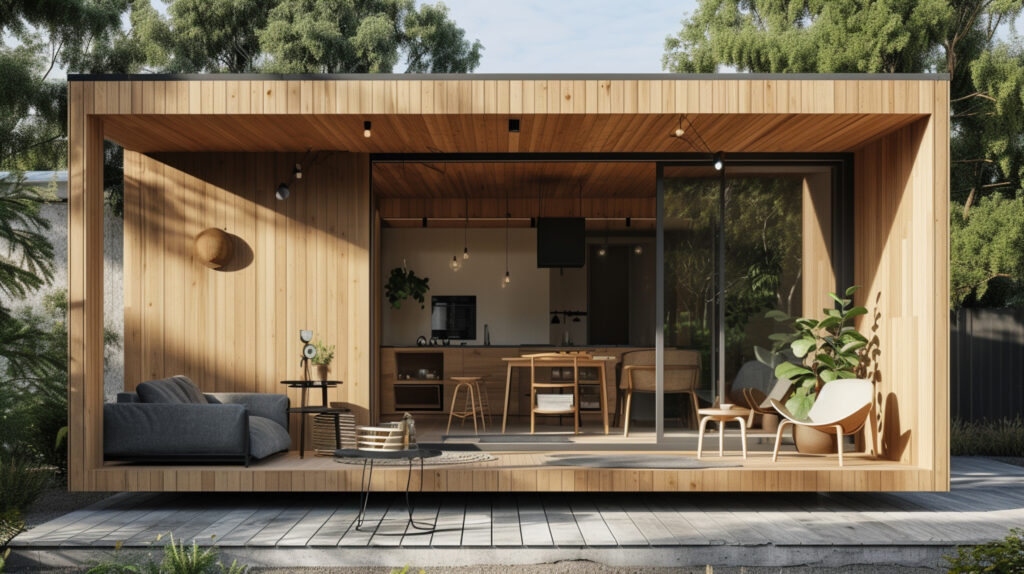
If you live in Vancouver or nearby, you’ve probably seen modular homes on properties for years. These homes are factory built and installed quickly, often used to speed up housing projects or support redevelopment. While many are permanent structures, some remain in place temporarily until the land is redeveloped or upgraded.
And then comes the big question.
What actually happens when you need to remove it?
Modular home demolition is not something most people deal with often, so it can feel overwhelming at first. It is not like tearing down a shed or hauling away old furniture. These structures are built to last, which means removing them requires planning, care, and the right approach.
In this blog, we will walk you through the full process of modular home demolition, so you know exactly what to expect. And when it comes time to actually get it done, Provident Junk Removal provides modular home removal across Vancouver, working with homeowners and contractors to handle the process safely and efficiently.
Let’s dive into that.
What Is Modular Home Demolition?
Before jumping into the steps, it helps to understand what we are actually talking about.
A modular home is built in sections and then assembled on-site. These homes can be made from wood framing, steel structures, or a combination of materials. Because of that, modular home demolition is the process of carefully taking apart or fully dismantling that structure so it can be removed from the property.
This is not a random teardown job. It involves structure awareness, safety planning, and proper disposal of materials.
In simple terms, modular home demolition is about breaking down a built structure in a controlled way so the land can be safely reused or redeveloped.
When Most People Need Modular Home Removal in Vancouver?
People in Vancouver usually look into removing their modular home for a few common reasons.
Sometimes the home has simply aged out. It may no longer be safe, comfortable, or worth repairing. In other cases, the land itself has more value than the structure sitting on it, especially in growing areas of the city.
We also see demolition needs after fire damage, water damage, or structural issues that make renovation unrealistic. And in many cases, homeowners or developers want to clear the land completely to build something new.
Whatever the reason, the goal is usually the same. Clear the space safely so the next phase of the property can begin.
Step 1: Site Inspection and Planning
Every proper demolition job starts with a site visit. There is no skipping this part.
On-site, the team looks at the condition of the modular home, how it is built, and how much space is available around it. This matters a lot in Vancouver, where properties can be tight and access is not always straightforward.
We also check things like surrounding structures, driveway access, and any obstacles that could affect removal. Planning at this stage helps avoid delays later.
Think of it as setting the foundation for the entire job. If this step is rushed, everything else becomes harder.
Step 2: Utility Disconnection and Safety Preparation
Before anything is physically removed, all utilities need to be properly disconnected.
This includes electricity, water, gas, and any other active systems connected to the home. It might sound simple, but it is one of the most important steps in the entire process.
Once utilities are disconnected, the site is secured. This ensures there are no active hazards while work begins. Safety checks are done to make sure the structure is stable enough to start dismantling.
At this point, the site is no longer treated as a home. It becomes a controlled work area.
Step 3: Choosing the Right Demolition Method
Not every modular home is removed the same way. The approach depends on the structure, condition, and location.
In some cases, full demolition is the best option, where the structure is taken apart directly on-site. In other cases, controlled dismantling is used, where the home is broken into sections for easier removal.
In Vancouver, access plays a big role in this decision. Tight residential areas or limited entry points often require more careful dismantling instead of full-scale removal.
This step is all about choosing the safest and most efficient method for the specific property.
Step 4: Structural Breakdown and Removal
This is the stage most people picture when they think of demolition.
The process usually starts with removing exterior materials first. Once that is cleared, the internal structure is carefully broken down piece by piece.
Walls, framing, and structural supports are dismantled in a controlled way. Depending on the material, this could involve wood cutting, steel sectioning, or mechanical removal using equipment.
The key here is control. Nothing is rushed. Each section is removed in a way that keeps the site safe and manageable.
This is where professional handling really matters, where space and access are often limited.
Step 5: Sorting and Recycling Materials
Once the structure is taken apart, the materials do not just get thrown away.
A big part of the process is sorting everything properly. Wood, metal, and other materials are separated so they can be recycled or disposed of responsibly.
Steel components are often recycled and reused in manufacturing. Wood materials can sometimes be repurposed or processed depending on condition. Even smaller materials are handled in a way that reduces waste.
This step is important because it keeps unnecessary material out of landfills and supports more sustainable construction practices in Vancouver.
Step 6: Site Cleanup and Final Clearing
After the structure is removed and materials are sorted, the final step is cleaning the site.
This includes removing leftover debris, clearing loose materials, and making sure the property is left clean and ready for whatever comes next.
Whether the land is being rebuilt, sold, or redeveloped, a properly cleared site makes everything easier moving forward.
A good cleanup is not just about appearance. It is about safety and usability.
Challenges of Modular Home Demolition in Metro Vancouver
Demolition in Vancouver comes with its own set of challenges.
Many properties have limited access, especially in residential neighbourhoods. That means equipment placement and movement need to be planned carefully.
Weather is another factor. Rain and soft ground conditions can affect both safety and timing. On top of that, some projects may require permits depending on the scope of work and location.
These challenges are normal, but they highlight why experience matters so much in this type of work.
How Long Does Modular Home Removal Take?
There is no single timeline that fits every project.
Smaller modular homes may take only a few days from start to finish, while larger or more complex structures can take longer depending on conditions and access.
Planning and utility disconnection can also add time before physical demolition begins.
The actual removal process is usually faster than people expect, but preparation and cleanup are just as important as the demolition itself.
Cost Factors for Modular Home Removal in Vancouver
When it comes to cost, several factors come into play.
The size of the modular home is one of the biggest factors. Larger structures naturally require more time and equipment. The type of materials used also matters, especially if steel or reinforced components are involved.
Access is another major consideration. Tight or difficult sites may require additional planning or equipment, which affects overall cost. Disposal and recycling requirements also play a role in the final pricing.
Understanding these factors helps set realistic expectations before starting the project.
Why Professional Demolition Service is Necessary
At first glance, removing a modular home might look like something that can be handled directly. But once you break it down, it becomes clear why professionals are usually involved.
There is heavy equipment, structural risk, safety requirements, and proper disposal to consider. Without the right experience, things can get complicated quickly.
Working with professionals makes sure the job is done safely, efficiently, and in line with local standards. It also saves time and reduces stress for homeowners and developers.
That is why many people rely on experienced teams when handling modular home removal in Vancouver.
Common Mistakes to Avoid
One of the most common mistakes people make when demolishing a modular home is assuming it works like a standard teardown. It really does not. Modular homes are built in sections and often reinforced in ways that are not obvious from the outside. When people underestimate this and expect a quick removal, they usually end up running into delays, unexpected costs, or safety issues once the work actually begins.
Another mistake we see quite often in Vancouver is poor access planning. A lot of properties look accessible at first glance, but once equipment arrives, things change quickly. Narrow driveways, soft ground, overhead obstacles, or tight corners can make it difficult to bring in the right machinery. If access is not properly thought through in advance, the entire project can slow down or require last minute changes that could have been avoided.
People also tend to overlook what is actually inside the structure. Modular homes often have hidden wiring, plumbing lines, insulation layers, and in some cases older modifications that are not immediately visible. Skipping a proper inspection before starting demolition can lead to damage or hazards that show up during the process instead of being handled beforehand. This is one of those steps that seems small but makes a big difference once work begins.
Another mistake that often gets overlooked is ignoring how demolition activity can impact surrounding properties. In Vancouver, many modular homes are located in tight residential areas where houses sit very close to each other. If vibration, noise, or debris control is not planned properly, it can create issues with neighbours or even lead to complaints or work stoppages. Things like scheduling heavy work at the right time, setting up proper barriers, and managing debris flow are just as important as the demolition itself. When this part is ignored, even a well-executed teardown can turn into unnecessary friction on site.
We also see situations where material separation is not considered at all. When demolition is treated as a single step instead of a structured process, recyclable materials often get mixed with waste. That makes disposal less efficient and can increase overall cleanup work later. Planning how materials will be handled from the beginning saves both time and effort at the end of the project.
In many cases, these issues are not caused by lack of effort, but simply by underestimating how detailed modular home demolition actually is. When the planning stage is handled properly and each step is thought through, the entire process becomes much more controlled, predictable, and efficient from start to finish.
Tips to Prepare for a Smooth Modular Home Demolition
If you are getting ready to have your modular home removed, a bit of smart preparation can make the entire process faster, safer, and a lot less stressful. These are some practical, often overlooked tips that actually help on real job sites.
- Check property boundaries clearly before work starts
Make sure there is no confusion about where your property ends. - Identify underground features on the land
Before any heavy work begins, it helps to know if there are septic lines, old foundations, or buried utilities around the structure. This avoids surprises once excavation or dismantling starts. - Secure nearby structures and fragile items
If there are sheds, fences, retaining walls, or landscaping features close to the modular home, take steps to protect them in advance. Even careful demolition can create vibration in confined spaces. - Plan temporary access routes for equipment
Instead of assuming trucks and machinery will use the main entrance, think about alternate access points if available. This can reduce congestion and keep the work moving smoothly. - Inform neighbours ahead of time
A simple heads-up can go a long way. Letting nearby properties know about upcoming demolition helps reduce complaints and makes the process smoother for everyone involved. - Decide early on what should be salvaged or removed separately
If there are materials, fixtures, or components you want to keep, identify them before work begins. Once demolition starts, separating items becomes more difficult. - Keep the site open for staging space
Leaving room for trucks, bins, and equipment staging helps avoid constant repositioning during the job. Tight working conditions usually slow everything down.
Modular Home Removal Services in Vancouver by Provident Junk Removal
If you are looking for reliable help with modular home demolition in Greater Vancouver, this is where we come in.
At Provident Junk Removal, we work with homeowners, contractors, and property developers across Vancouver and nearby areas. We handle everything from planning and dismantling to removal and cleanup. Our focus is simple. Safe work, efficient timelines, and responsible disposal of materials. Every project is handled with care because no two properties are the same.
Whether you are planning a full teardown or just need help removing an old modular structure, our team is here to make the process easier for you.
That is why many people trust us as one of the best junk removal company in Vancouver for efficient junk removal and demolitions.
Wrapping Up
Modular home demolition is not just about tearing something down. It is a structured process that involves planning, safety, and careful execution from start to finish. When done properly, it clears the way for new opportunities, whether that means rebuilding, selling, or redeveloping the land.
Provident Junk Removal provides modular home removal across Vancouver and nearby areas, taking care of the everything so you don’t have to.
Call us today at +1 (672) 667 4238 , to schedule your modular home demolition and removal in Metro Vancouver.