Drums and Storage Tanks Disposal in Vancouver: A Complete Guide for Businesses
If you run a business in Vancouver, you already know one thing for sure. Industrial waste is never just “junk.”
It is heavy. It is messy. And when it involves drums or storage tanks, it can quickly turn into a serious safety and compliance issue if not handled correctly.
Whether it is old chemical drums sitting behind a warehouse or any sort of storage tanks at a construction site, disposal is not something you want to guess your way through.
That is exactly the kind of work we deal with at Provident Junk Removal, helping Vancouver businesses safely remove and dispose of drums and storage tanks without the stress, risks, or confusion.
This guide breaks everything down in a simple, practical way so you know exactly how drum and storage tanks disposal in Vancouver actually works, what the risks are, and how businesses handle it safely without stress.
Let’s get into it.
Understanding Drums and Storage Tanks in Industrial Waste
Before we go deeper, let’s quickly clear up what drums and storage tanks actually include in a commercial setting.
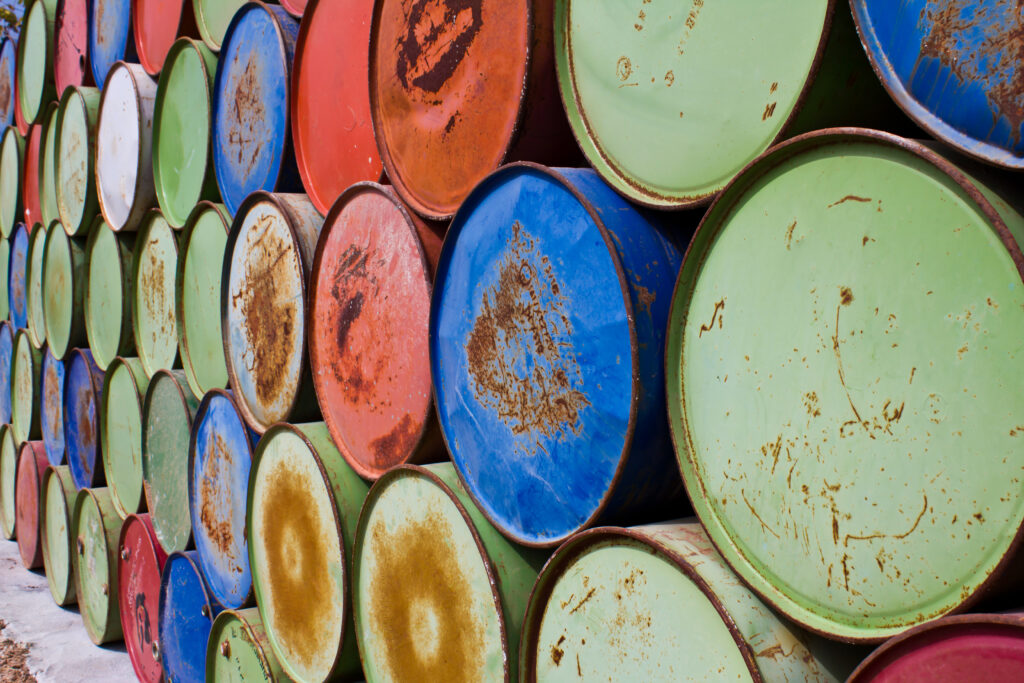
Drums are typically the 205 litre steel or plastic barrels used for storing things like:
- Oils and lubricants
- Chemicals and solvents
- Paints and coatings
- Industrial cleaning fluids
Storage tanks are larger systems used for bulk storage, such as:
- Fuel tanks at construction sites
- Heating oil tanks
- Chemical storage tanks in factories
- Water or process tanks in industrial operations
On paper, they look like simple containers. In reality, they are often contaminated, heavy, and regulated waste items that need proper handling before they can be moved or disposed of.
And that is where things get serious.
Why Drum and Tank Disposal Is Not Just Regular Junk Removal
Many businesses assume this as simple regular junk. But drums and storage tanks are in a completely different category.
Even when they look empty, they can still contain:
- Chemical residue
- Toxic vapours
- Flammable vapours
- Sediment or sludge at the bottom
That leftover material is exactly what makes storage tank disposal in Vancouver a regulated process.
If handled incorrectly, it can lead to:
- Soil contamination
- Fire or explosion risk
- Worker exposure to toxic substances
- Heavy environmental fines
In simple terms, this is not just about cleaning up space. It is about protecting your business, your workers, and the environment.
Key Risks Involved in Improper Drum and Storage Tank Disposal in Vancouver
Most problems happen before disposal even begins.
Here are some risks businesses do not always think about:
1. Hidden contamination
Even empty drums can still release fumes or residue when moved.
2. Improper transport
Drums and tanks fall under transportation regulations in Canada. That means improper labeling or handling can result in penalties.
3. Environmental liability
If leakage happens during removal or transport, the business is often still responsible, even if a contractor was involved.
4. Fire hazards
Certain chemical vapours can ignite if exposed to heat or friction during handling.
This is why it is necessary to hire a professional storage tank removal service in Vancouver. It is often required for compliance.
Vancouver Regulations You Should Know (Without the Confusing Legal Talk)
You do not need to be a legal expert to understand this part.
In British Columbia, industrial waste is regulated under environmental protection rules that require businesses to ensure proper handling, transport, and disposal of hazardous materials.
On top of that, Transport Canada regulations apply when these materials are moved.
What this means for you is simple:
- You are responsible for what leaves your site
- Everything must be documented properly
- Only approved facilities can process hazardous waste
So even if a tank is removed from your property, you still need proof it was disposed of correctly.
That is where professional business junk removal companies step in.
What Types of Drums and Tanks Actually Need Special Disposal
Not every container is treated the same, but many fall into regulated categories.
Common drum types:
- Chemical storage drums
- Oil and fuel barrels
- Paint and solvent containers
- Industrial cleaning solution drums
Common tank types:
- Underground fuel tanks
- Above-ground storage tanks
- Heating oil tanks
- Industrial process tanks
Even if they are empty, they often still require cleaning or certification before removal.
Step by Step: How Professional Storage Tank and Drum Disposal Actually Works
Let’s walk through what really happens when a proper storage tanks and drums removal service in Vancouver is carried out.
Step 1: Inspection and assessment
The team checks:
- What was stored inside
- Whether there is residue
- Tank or drum condition
- Safety risks on site
This step decides the entire removal method.
Step 2: Safety preparation
Before anything moves, safety comes first:
- Protective equipment is used
- The area is secured
- Ventilation is checked if needed
No shortcuts here.
Step 3: Emptying and decontamination
If any residue remains, it is safely removed or neutralized depending on the material.
For tanks, this may include:
- Pumping out leftover fluids
- Cleaning internal surfaces
- Removing sludge buildup
Step 4: Safe removal and handling
This is where the physical work happens:
- Our team lift drums using proper equipment
- Tanks are dismantled if required
- Heavy units are carefully extracted to avoid damage
Everything is controlled to avoid spills or structural damage.
Step 5: Transport with compliance
Once loaded, materials are:
- Sealed properly
- Labeled according to regulations
- Transported to approved facilities
This step is critical for legal compliance.
Step 6: Recycling or disposal
Depending on condition:
- Clean metal may be recycled
- Contaminated materials go to hazardous waste facilities
- Some tanks may be cut and processed for scrap
Recycling vs Disposal: What Actually Happens Next
A lot of people assume everything just gets thrown away. That is not true.
If a drum or tank is properly cleaned:
- Steel components can be recycled
- Some plastics can be processed
- Metals are recovered and reused
But if contamination is present, it must go through controlled hazardous waste processing.
The goal is always to reduce environmental impact while staying fully compliant.
Businesses in Vancouver That Deal With Drums and Storage Tanks Removal Regularly
At Provident Junk Removal, we’ve handled drums and storage tanks removal for all kinds of businesses across Vancouver:
- Construction companies removing old fuel tanks
- Automotive garages handling oil drums
- Manufacturing plants with chemical storage systems
- Warehousing and logistics operations
- Marine and dock facilities
- Cleaning and maintenance companies
If your business stores or uses bulk liquids, this will eventually become part of your operations.
Why Businesses Should Not Handle This Alone
Some companies try to save money by handling removal internally.
It usually backfires.
Here is why professionals are worth it:
- You avoid compliance mistakes
- You reduce safety risks
- You save time and downtime
- You get proper disposal records
- You protect your insurance coverage
In short, it is not just about removal. It is about avoiding future problems.
Choosing the Right Junk Removal Team is Important
Not every junk removal service is equipped for industrial work.
When looking for the best junk removal company in Vancouver, make sure they:
- Understand hazardous material handling
- Have proper licensing and insurance
- Provide disposal documentation
- Can handle both small and large-scale removals
- Follow environmental regulations properly
Why Businesses in Vancouver Trust Provident Junk Removal
Our professional disposal service and experienced team handles everything carefully.
You are not worrying about:
- What happens to the waste
- Whether you will get fined later
- Whether cleanup was done safely
Instead, you know it was handled correctly from start to finish.
That is the difference between a risky cleanup and a proper one.
What Size Storage Tanks Can Provident Junk Removal Handle?
We handle a wide range of storage tank removal projects across Vancouver, including small portable tanks and medium-sized industrial storage tanks commonly found at construction sites, warehouses, and commercial facilities.
If the tank is accessible and can be safely prepared for removal, our team can typically manage the full process, including disconnection, handling, and disposal in compliance with local regulations.
For very large, fixed, or specialized industrial tanks, removal may require additional assessment to determine the safest approach.
If you are unsure about your specific tank size or situation, it is best to reach out to our team directly at +1 (672) 667 4238 and we will guide you through the next steps.
Conclusion
Drums and storage tanks are not everyday waste items. They carry weight, risk, and responsibility that most businesses underestimate until it becomes a problem.
Whether it is drums disposal or storage tanks removal in Vancouver, the key is simple. Do it safely, do it properly, and do it with the right team.
Cutting corners here is never worth it.
Need Help With Storage Tanks or Drums Removal in Vancouver?
If your business is dealing with old drums, chemical containers, or storage tanks that need to be removed safely, you do not have to figure it out alone.
At Provident Junk Removal, we help Vancouver businesses handle industrial cleanouts, heavy waste, and complex disposal jobs with care and compliance. From assessment to removal and proper disposal, everything is handled professionally so you can stay focused on your operations.
If you are looking for a reliable, safe, and one of the best junk removal company in Vancouver, we are here to help.
Just reach out at +1 (672) 667 4238 and we will take care of the rest.