Shipping Container Removal for Construction Sites in Vancouver: What Contractors Need to Know
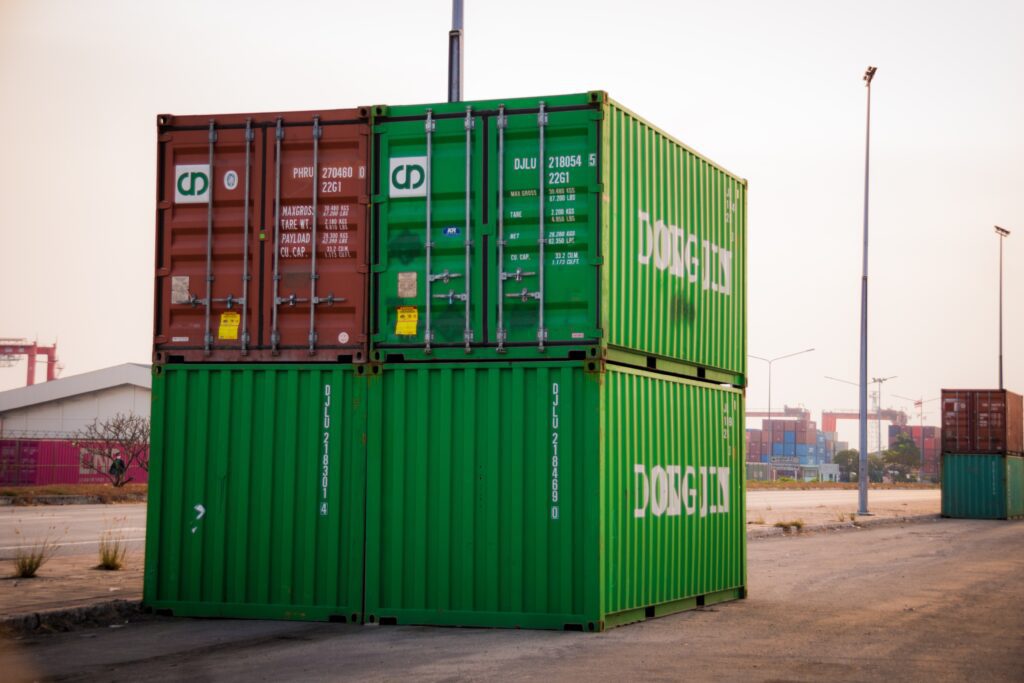
Walk onto almost any construction site in Vancouver and you’ll spot at least one shipping container sitting somewhere in the background. It might be packed with tools, used as a temporary office, or just sitting there long after it has served its purpose.
At first, it’s useful. Then it quietly turns into a problem.
It starts taking up space. Crews work around it. Equipment has to maneuver around it. And before you know it, that one container is slowing things down more than helping.
If you’re managing a construction site, you already know how tight timelines can get. The last thing you want is a bulky steel container becoming a bottleneck.
In this guide, you’ll get clear, practical insights into shipping container removal, with a focus on what actually works on active construction sites. And if you need a team that can handle it safely and efficiently, Provident Junk Removal provides shipping container removal and disposal in Vancouver, working directly with contractors to keep projects moving.
Why Shipping Containers Become a Problem on Construction Sites
Shipping containers are built to last. That’s great when you need storage. Not so great when you need them gone.
On construction sites, they tend to overstay their welcome for a few key reasons.
Space Starts Getting Tight
Construction sites evolve quickly. What felt like a spacious layout in the early phase can become crowded as materials, machinery, and crews increase. A container that once sat comfortably in a corner suddenly blocks access routes or staging areas.
Workflow Gets Disrupted
Crews adapt, but every workaround costs time. Forklifts take longer routes. Materials get staged further away. Small inefficiencies start stacking up.
Safety Concerns Creep In
Old containers can develop rust, sharp edges, or structural weaknesses. Add rain, mud, and uneven ground and you’re looking at a potential safety issue.
It Complicates Inspections
Site inspections are about organization and compliance. A leftover container that is no longer in use can raise questions and create unnecessary friction.
It Delays the Next Phase
Whether it’s landscaping, paving, or final finishing, that container often sits right where the next step needs to happen.
At that point, it’s no longer storage. It’s an obstacle.
When Should Contractors Schedule Container Removal?
Timing matters more than most people think.
A lot of contractors wait until the very end of the project. That’s usually not the best move.
End of a Construction Phase
If a container was used for framing or early-stage storage, it often makes sense to remove it before finishing trades come in.
Before Final Site Cleanup
Trying to remove a container during final cleanup creates unnecessary overlap. It’s better to handle it just before that stage begins.
Ahead of Inspections
A clean, organized site makes inspections smoother. Removing unused containers ahead of time helps avoid delays.
When Access Is Still Available
This is a big one. Once certain structures are in place, access becomes limited. Removing a container earlier can save a lot of logistical headaches later.
Smart scheduling keeps your project moving forward instead of reacting to problems.
Types of Shipping Containers Found on Construction Sites
On construction sites across Vancouver, we see different types of shipping containers, and how each one is used plays a big role in how it should be removed.
Tool Storage Containers
These are the most common. Heavy, often packed with equipment, and sometimes modified with shelving.
Site Office Containers
These may include insulation, wiring, lighting, and even HVAC setups. Removing them requires extra care due to added components.
Modified Containers
Some containers are customized for specific tasks. That could mean cutouts, reinforcements, or structural changes.
Damaged or Retired Units
Older containers that are rusted, dented, or no longer safe to use often require dismantling instead of full removal.
Each type comes with its own challenges. That’s why a one-size-fits-all approach rarely works.
Challenges of Removing Shipping Containers from Active Construction Sites in Vancouver
Removing a container from an empty lot is one thing. Removing it from a busy construction site in Vancouver is something else entirely.
Tight Access in Urban Areas
Many Vancouver sites are surrounded by buildings, fences, or narrow access points. Getting equipment in and out requires planning.
Coordinating with Ongoing Work
You can’t just show up and start cutting or lifting. Removal has to fit into the site schedule without disrupting other trades.
Heavy Equipment Logistics
Depending on the situation, you might need cutting tools, or specialized hauling trucks. Not every site can accommodate that easily.
Noise and Safety Considerations
Cutting steel or moving large containers creates noise and potential hazards. This needs to be managed carefully.
Weather Conditions
Rain is part of life in Vancouver. Wet surfaces and muddy ground can affect both safety and access.
This is where experience really shows. It’s not just about removing a container. It’s about doing it without slowing everything else down.
How Shipping Container Removal Actually Works on Construction Sites
If you’ve never been through the process before, it helps to understand what actually happens behind the scenes.
Step 1: Site Assessment
The first step is evaluating the container’s condition, size, and location. Access points, surrounding structures, and ground conditions all matter.
Step 2: Planning the Approach
Based on the assessment, the our junk removal team decides whether the container can be lifted as a whole or needs to be dismantled on-site.
Step 3: Safety Preparation
Before any work begins, safety measures are put in place. This includes checking structural integrity and identifying any hazards.
Step 4: Dismantling or Lifting
If access allows, the container may be lifted and hauled away. In tighter spaces, it is carefully cut into sections for removal.
Step 5: Hauling and Disposal
Once removed, the container is transported for proper disposal or recycling.
Step 6: Site Cleanup
Any debris or leftover materials are cleared so the space is ready for the next phase.
Do You Need Permits for Shipping Container Removal in Vancouver?
This is one of those areas where a little knowledge goes a long way.
In many cases, you may not need a permit just to remove a container. But certain situations can change that.
Road Use or Lane Closures
If removal requires blocking a street or using a crane in a public area, permits may be required.
Large Equipment Use
Cranes or oversized hauling vehicles sometimes require approvals depending on the location.
Site-Specific Regulations
Some projects have their own compliance requirements, especially in commercial or high-density areas.
The safest approach is to work with a professional junk removal team in Vancouver that understands local requirements and can guide you through the process.
Safety Considerations Contractors Should Never Ignore
Shipping containers might look simple, but removing them comes with real risks.
Structural Weakness
Older containers may not hold together as expected during lifting or cutting.
Hazardous Materials
Some containers, mainly the modified ones, may contain insulation or materials that need careful handling.
Fire Risk During Cutting
Cutting steel involves heat. Proper precautions are essential to avoid fire hazards.
Worker Safety
Clear communication and proper equipment are critical to keeping everyone on-site safe.
Liability
Accidents or damage can lead to costly issues. Proper handling reduces that risk.
Safety is not something to figure out on the fly. It needs to be built into the process from the start.
What Affects the Cost of Shipping Container Removal in Vancouver?
You don’t need exact numbers to understand what drives cost. But knowing the factors helps you plan better.
Size of the Container
A 20-foot container is easier to handle than a larger or modified unit.
Condition
Rust, damage, or structural issues can make removal more complex.
Accessibility
Tight spaces or limited entry points often require more time and effort.
Dismantling Requirements
Cutting a container into sections takes more work than lifting it whole.
Equipment Needed
Specialized equipment like cranes or cutting tools can impact pricing.
Understanding these factors helps you avoid surprises and make informed decisions.
How to Recycle Shipping Containers in Vancouver
Getting rid of a shipping container does not mean it ends up in a landfill. In most cases, a large portion of the container can be recovered and put back into use. With the right approach, what looks like a bulky piece of scrap can actually become valuable material again.
Most shipping containers are built primarily from steel, and that is where a big part of the recycling value comes from. Once the container is removed, the steel panels and frame are taken to recycling facilities where they are processed and melted down. This steel is then reused in manufacturing, construction, and other industrial applications. It is a straightforward process, but it plays a big role in reducing waste and conserving raw materials.
Beyond the main structure, there are several smaller components that can also be recovered. Doors, hinges, locking bars, and other hardware are usually separated and sorted as metal scrap. These parts may be recycled directly or processed along with other metals, depending on their condition. Even though they are smaller pieces, they still contribute to keeping unnecessary waste out of landfills.
Many people overlook the flooring inside a shipping container, but it is another important part of the recycling process. Most containers use thick wooden flooring that can often be repurposed, chipped for reuse, or disposed of in a more environmentally responsible way. The condition of the wood usually determines the best option, but it rarely goes to waste when handled properly.
Choosing to recycle a shipping container in Vancouver is not just about getting rid of something you no longer need. It is about handling it in a way that supports cleaner construction practices and reduces the overall environmental impact. With our team at Provident Junk Removal, the shipping container removal and recycling process is efficient, responsible, and far more sustainable than simply treating the container as waste.
Why Contractors Choose Professional Container Removal Services
You could try to coordinate everything yourself. But most contractors quickly realize it’s not worth the hassle.
Saves Time
A professional team knows how to get the job done efficiently.
Reduces Risk
Proper equipment and experience minimize the chance of damage or injury.
Handles Logistics
From planning to disposal, everything is managed in one place.
Keeps the Site Moving
No unnecessary delays. No disruption to other work.
That’s why more contractors are turning to experienced teams for shipping container removal and disposal service in Vancouver.
Shipping Container Removal Services by Provident Junk Removal
If you’re working on a construction site in Vancouver and need to remove a container, you don’t need to overthink it. At Provident Junk Removal, we work with contractors, builders, and project managers who need reliable, no-fuss solutions.
We understand how construction sites operate. Timelines matter. Safety matters. Efficiency matters.
Here’s what you can expect:
- Careful assessment of your site and container
- Flexible scheduling that works with your project timeline
- Safe dismantling and full removal depending on your situation
- Responsible disposal and recycling practices
- A clean, ready-to-use space once the job is done
If you’re looking for the best junk removal company in Vancouver to handle the shipping container removal, we’re here to help.
Common Mistakes Contractors Make with Container Removal
Even experienced contractors in Vancouver can run into avoidable problems when it comes to removing shipping container on construction sites. Most of the issues are not caused by the job itself, but by timing, planning, and underestimating what is actually involved.
One of the most common mistakes is simply waiting too long to deal with the container. On a busy construction site, it is easy to push removal to the end of the project because there are more urgent tasks at hand. The problem is that once other structures are in place or the site becomes more crowded, removing a container becomes more difficult, more time consuming, and sometimes more expensive. What could have been a simple removal early on often turns into a complicated job later.
Another issue is trying to handle the removal in-house without the right equipment or experience. Shipping containers are heavy, awkward, and not designed to be moved casually. Without proper lifting equipment, cutting tools, and trained crews, the process can quickly become inefficient and unsafe. What starts as a cost-saving attempt can end up causing delays or even damage on site.
Access planning is another area where things often go wrong. Contractors sometimes assume that a container can simply be picked up and removed when needed, without fully considering how equipment will reach it. Tight urban sites in Vancouver, surrounding structures, and active work zones can all create access challenges. If this is not planned in advance, it can lead to last-minute adjustments and unexpected downtime.
There is also a tendency to underestimate how complex container removal can be. At first glance, it might look like a straightforward lift and haul job. In reality, factors like container condition, site layout, safety requirements, and disposal regulations all play a role. When these details are not accounted for, the job can quickly become more involved than expected.
Avoiding these mistakes helps keep construction projects on schedule, reduces unnecessary stress, and ensures the site stays safe and efficient from start to finish.
Pro Tips to Make Container Removal Faster and Easier
A little preparation goes a long way.
- Clear the area around the container
- Remove all contents in advance
- Plan removal during a less busy time on-site
- Communicate with your team ahead of time
- Work with professionals who understand construction environments
These small steps can make the entire process smoother.
Frequently Asked Questions
Can you remove containers during active construction?
Do you dismantle containers on site?
Does Provident Junk Removal handle construction site projects regularly?
Conclusion: Keep Your Site Efficient and Moving
Construction projects are all about momentum. Every decision either moves things forward or slows them down. An unused shipping container might not seem like a big deal at first. But over time, it becomes something you have to work around.
Handling it early keeps your site cleaner, safer, and more efficient.
If you need help with shipping container removal and disposal in Vancouver or nearby cities, whether it involves dismantling, hauling, or figuring out the safest and most efficient way to dispose of it, our team at Provident Junk Removal is ready to help.
Give us a call at +1 (672) 667 4238 and we’ll help you clear the space so your project can keep moving forward without unnecessary obstacles.